Leadership Course on Intellectual Property, Science and Innovation for Women Scientists and Innovators
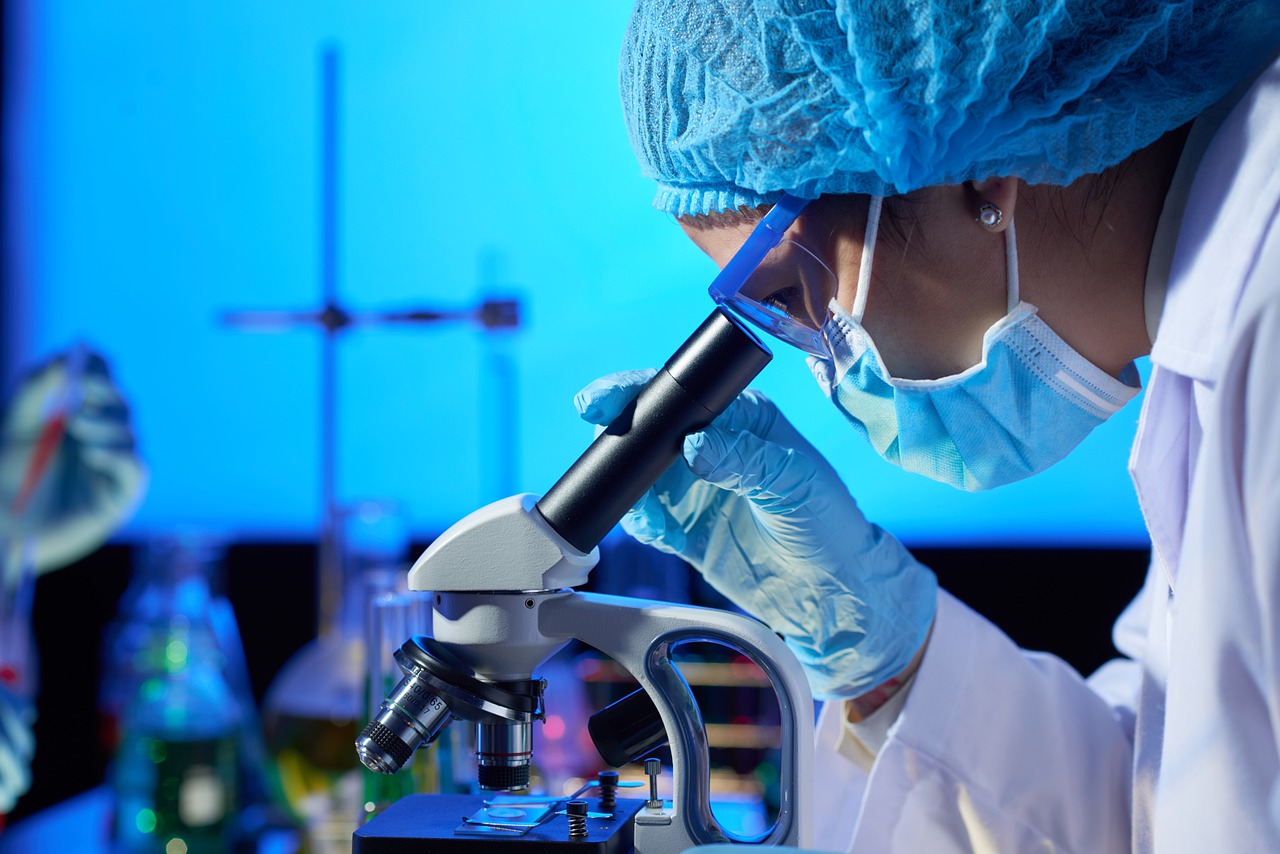 Click on the image to watch the presentation.
The Leadership Course on Intellectual Property, Science, and Innovation for Women Scientists and Innovators is designed to strengthen leadership, innovation, and intellectual property (IP) capabilities among women in STEM (Science, Technology, Engineering and Mathematics). The initiative is jointly organized by WIPO, UNESCO (United Nations Educational, Scientific and Cultural Organization), and the Ministry of Intellectual Property (MOIP) at the Republic of Korea.
The course supports women scientists, innovators, and emerging leaders hrough a combination of IP knowledge, leadership development, critical thinking, and innovation-focused learning, enriched by an entrepreneurial mindset.
To help us better understand your needs, we invite you to share your requirements with us by contacting us. We look forward to supporting you on your journey to excellence in STEM.
Why This Course Matters?
Despite their growing participation in STEM, women remain under-represented as leaders, inventors, and entrepreneurs in these fields. IP knowledge can enable women scientists and innovators to successfully bring their ideas and innovations to the world for the greater benefit of humanity and society. This course responds to the need to strengthen the participation and visibility of women as leaders, inventors, and entrepreneurs in STEM fields. It was developed in response to the needs expressed by the Women in Science under the UNESCO-L’Oreal Foundation.
What Will You Learn?
Built on an understanding of the diverse scientific fields represented by the participants, the program explores IP-related topics of relevance to scientific research, innovation, and technology development. Through practical exercises, leadership opportunities, expert-led sessions, and mentoring opportunities, participants explore IP management, commercialization, innovation strategy, pitching, and leadership in scientific research and innovation. The programme equips participants with practical knowledge in innovation and IP while providing direct engagement with experienced innovation and IP professionals.
A key component of our program is the opportunity to develop a robust network of leading scientists and inventors from across the globe. The programme places a strong emphasis on networking, collaboration, peer learning, and the exchange of ideas. These relationships are invaluable as they not only enhance your personal growth but also contribute to the larger community of women in STEM.
Description of the course
This blended learning training program comprises an eLearning phase with learning material customized for women scientists and innovators and specialized Masterclasses delivered by WIPO Academy’s IP Experts. This is followed by a 5-day in-person course, where participants will engage with a diverse array of topics such as:
Theme 1:
How IP Can Help You Advance Your Scientific CareerTheme 2:
R&D Strategy and Innovation in PracticeTheme 3:
Generating Value from IPTheme 4:
Pitching exercise (Interactive workshop)Theme 5:
Protecting Innovation in Global MarketsTheme 6:
Innovation and Intellectual Property Case StudiesTheme 7:
Innovation, Research Excellence, and Value Creation in the Republic of KoreaTheme 8:
Mentoring for Empowering Women ScientistsThis course also provides a unique opportunity to gain specialized knowledge, develop practical skills, and connect with a network of women who are at the forefront of scientific research and innovation.
Course Outcomes
By the end of this course, women scientists will be able to:
- Explain different types of IP principles and their applicability in the sciences.
- Share with others the role of IP in fostering scientific progress and economic growth.
- Explain the stages of the innovation cycle and how they impact R&D activities.
- Analyze the impact of IP on the innovation process from idea conception to commercialization.
- Identify the risks involved in transitioning scientific research from the lab to the market.
- Develop strategies to mitigate these risks and navigate technical, financial, and regulatory challenges.
- Assess the feasibility of scientific ideas through market research and competitive analysis.
- Craft compelling pitches by defining problem statements, solutions, market opportunities, and competitive advantages.
- Systematically solve complex scientific and technical challenges using TRIZ principles.
- Discuss the intersection of IP and gender, focusing on the challenges and opportunities for female leaders and young female researchers in science.
- Analyze case studies of successful female innovators and their impact on the field.
- Build a support network with fellow women scientists, innovators, and industry experts.
- Apply leadership principles to guide scientific projects, inspire teams, and drive innovation.
- Develop a personal leadership style that promotes inclusivity, collaboration, and ethical decision-making.
- Analyze R&D and commercialization strategies using real-world innovation case studies.
- Apply pitching and communication techniques to present scientific innovations effectively.
- Assess the role of IP in research management, strategic decision-making, and commercialization.
- Engage with mentors and innovation experts to identify pathways for translating research into societal and economic impact.
Participants of the 2026 edition
- Raquel Chan
- Felice Jacka
- Liesl Zühlke
- Elina Welchen
- Hajara Aslam
- Oelfah Patel
- Fatimah Abdulhakim
- Ohood Al-Ghadani
- Deliana Dahnum
- Markéta Hujerová
- Megaptche Christelle Arielle Mbouteu
- Keneuoe Cecilia Nthontho
- Rongrong Cheacharoen
- Juliet AMK Seglah
- Latoya Seoke
Prof. Raquel Chan
Argentina
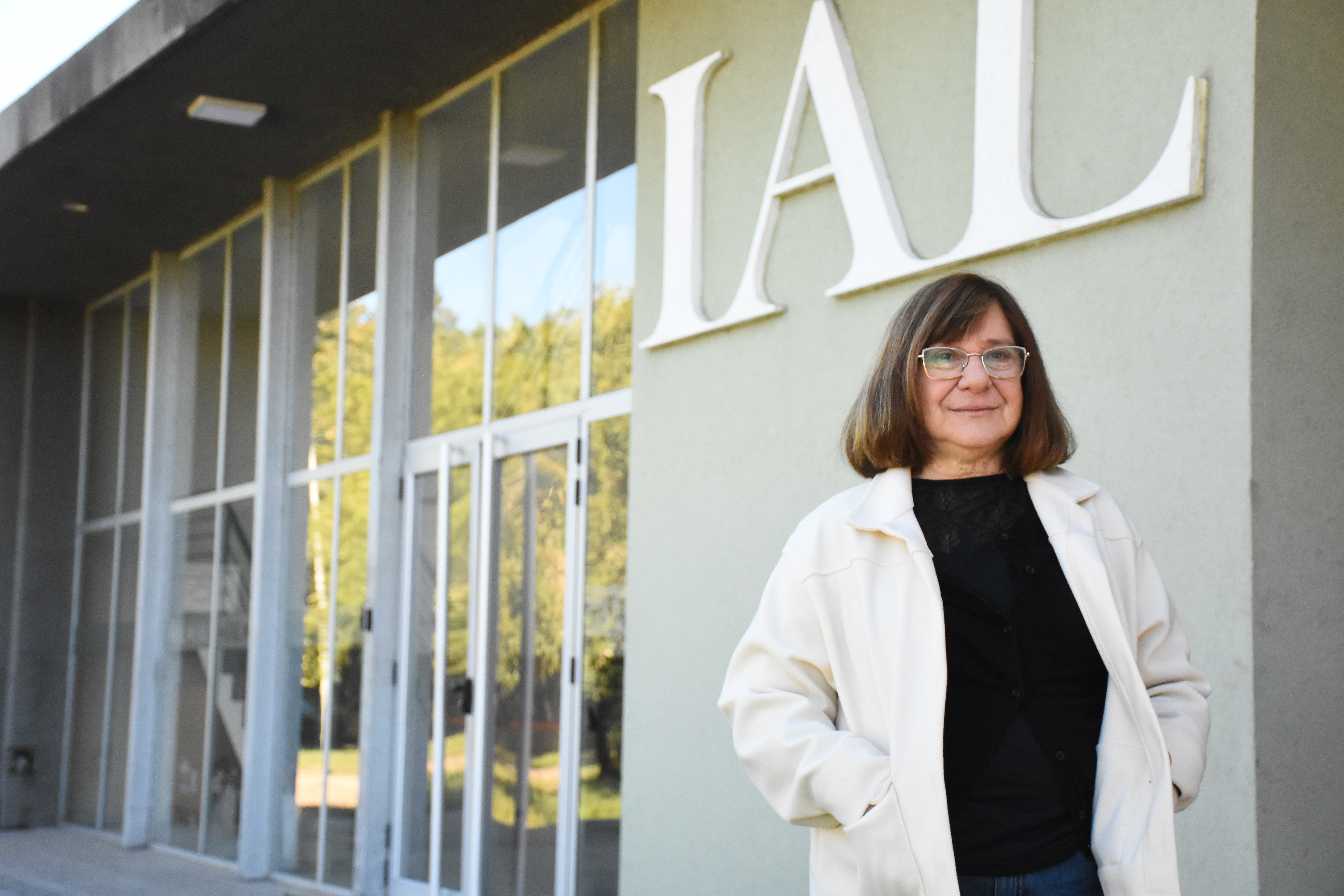
Prof. Chan is a Senior Researcher at CONICET-Argentina, Senior Lecturer at UNL, and Director of the Agrobiotechnology Institute. Her research focuses on plant adaptation to environmental stress, starting from molecules such as transcription factors characterised in the laboratory until modified crops in field trials. She has directed the work of 18 PhD students and currently advises an additional five PhD Theses. Among those, several were awarded by different public and private organisations. She is a member of several Science Academies and has received recognition and awards. Among them, the L'Oréal-UNESCO Prize For Women in Science for Latin America and Caribbean in 2026.
Prof. Felice Jacka
Australia
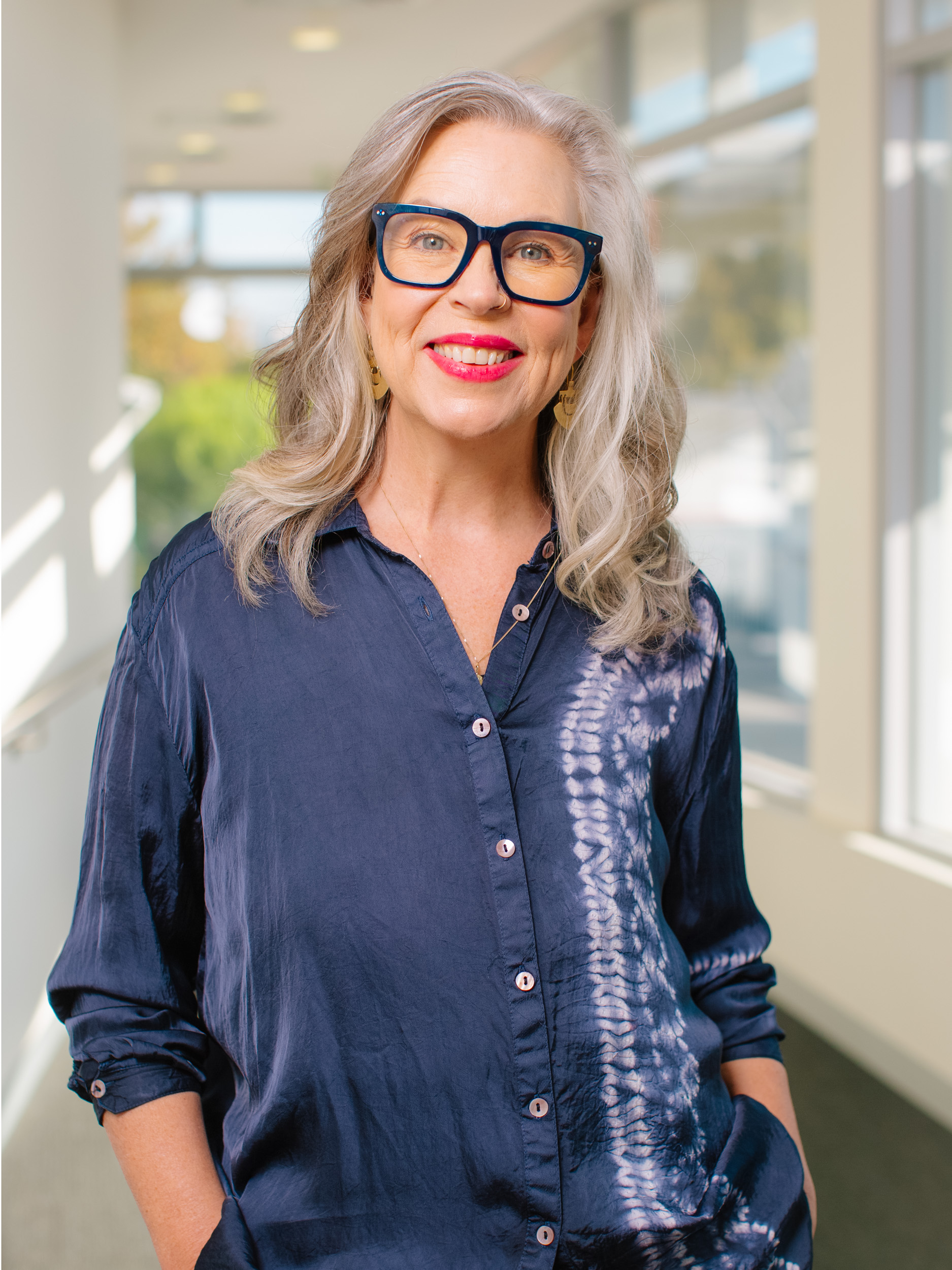
Prof. Jacka is a leading researcher in nutritional psychiatry and Director of the Food & Mood Centre at Deakin University, Australia. Her pioneering research explores the links between diet, gut health and mental health and has played a major role in establishing nutritional psychiatry as a new field of research. Her work focuses on translating scientific evidence into practical approaches to the prevention and treatment of mental health disorders. She is the 2026 L’Oréal-UNESCO For Women in Science Laureate for Asia and the Pacific.
Prof. Liesl Zühlke
South Africa
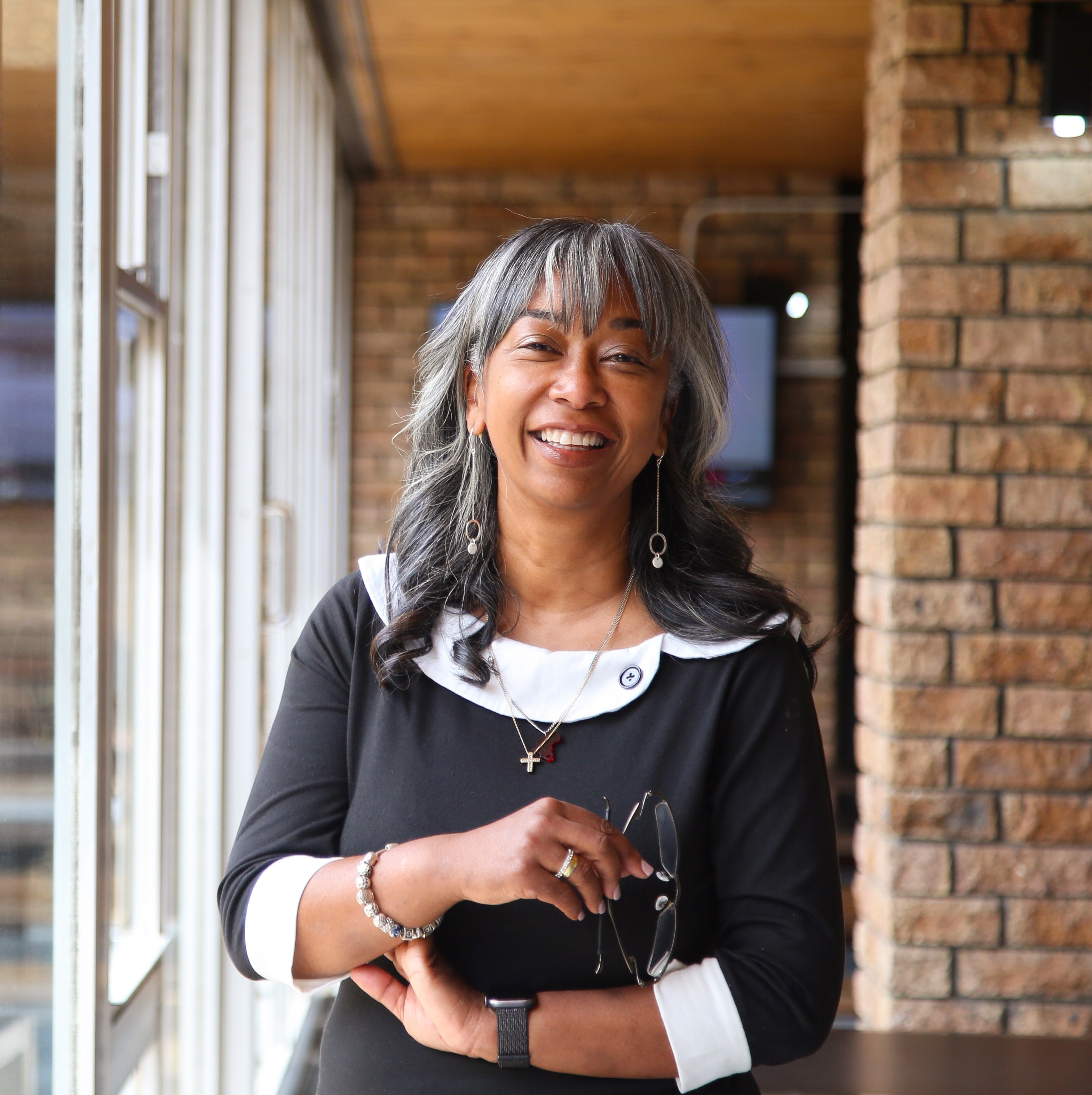
Prof. Zühlke is Vice-President of the South African Medical Research Council’s Extramural Research and Internal Portfolio and Director of the Children’s Heart Disease Research Unit, where her work focuses on family-centred research into congenital and rheumatic heart disease in Africa. She is the 2026 L’Oréal - UNESCO For Women in Science Laureate for Africa and Arab States and has received major awards for public engagement, public health leadership, and science leadership in Africa. She is passionate about the prioritisation of women and children in the global health agenda, both as co-creators and recipients of efforts to improve the lives of women and children across the world.
My research focuses on childhood-onset heart disease and ensuring that no child should die of a preventable heart condition, nor of one we already know how to treat. Thank you to FWIS for recognizing our work and for highlighting the importance of social justice and equity informing scientific endeavour. My advice to anyone starting on this journey would be "Dream Big, Plan, Pray and Pass it on".
Dr. Elina Welchen
Argentina
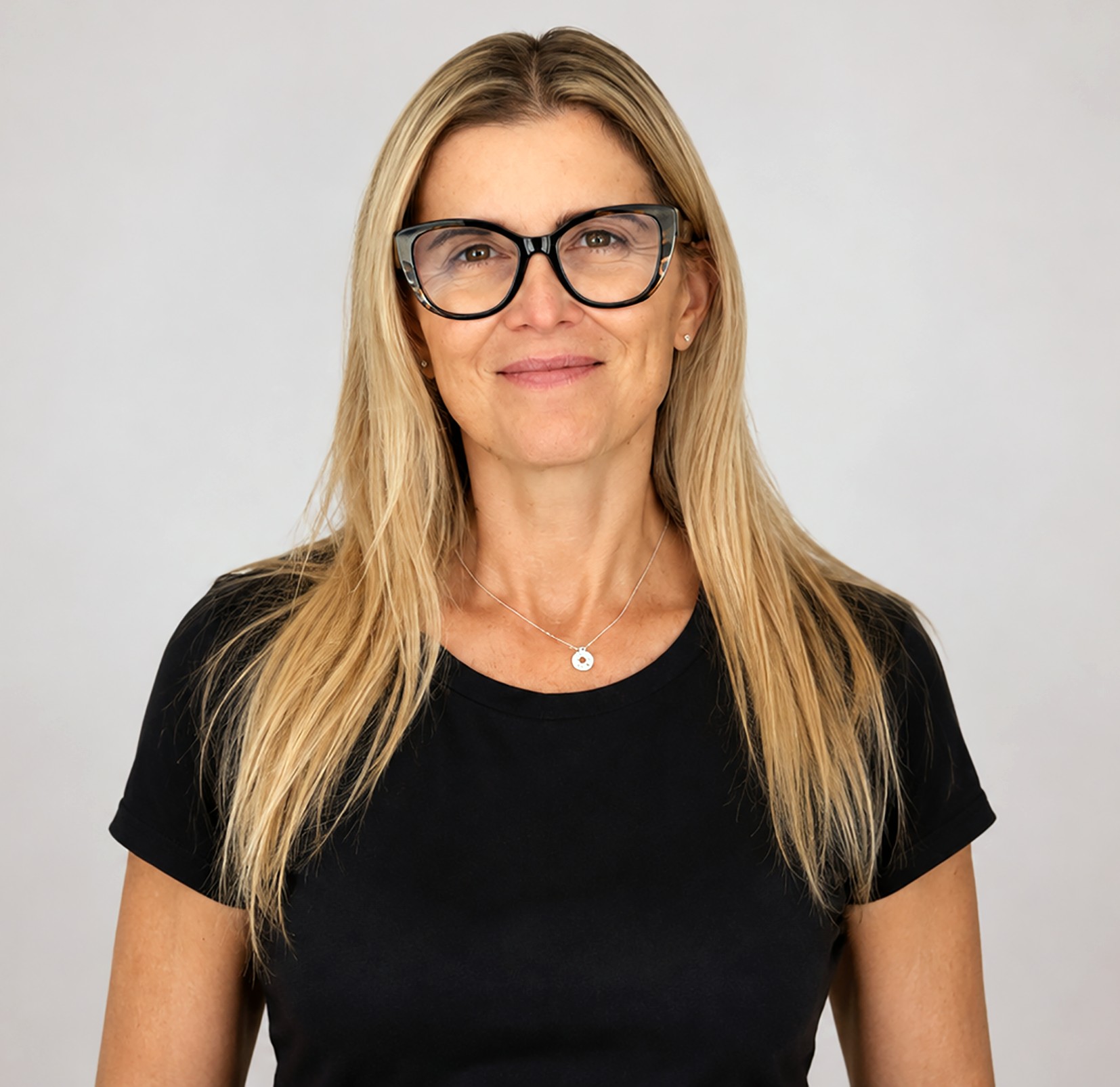
Ms. Welchen is a researcher at CONICET’s Institute of Agrobiotechnology of the Litoral in Santa Fe, Argentina, and teaches at the National University of the Litoral. Her research explores how plants use mitochondrial energy to balance growth and defense, working with Arabidopsis and key crops including soybean, maize and rice. Her work has resulted in numerous publications in leading scientific journals.
Science rewards the stubborn. Keep asking the question everyone else stopped asking.
Dr. Hajara Aslam
Australia
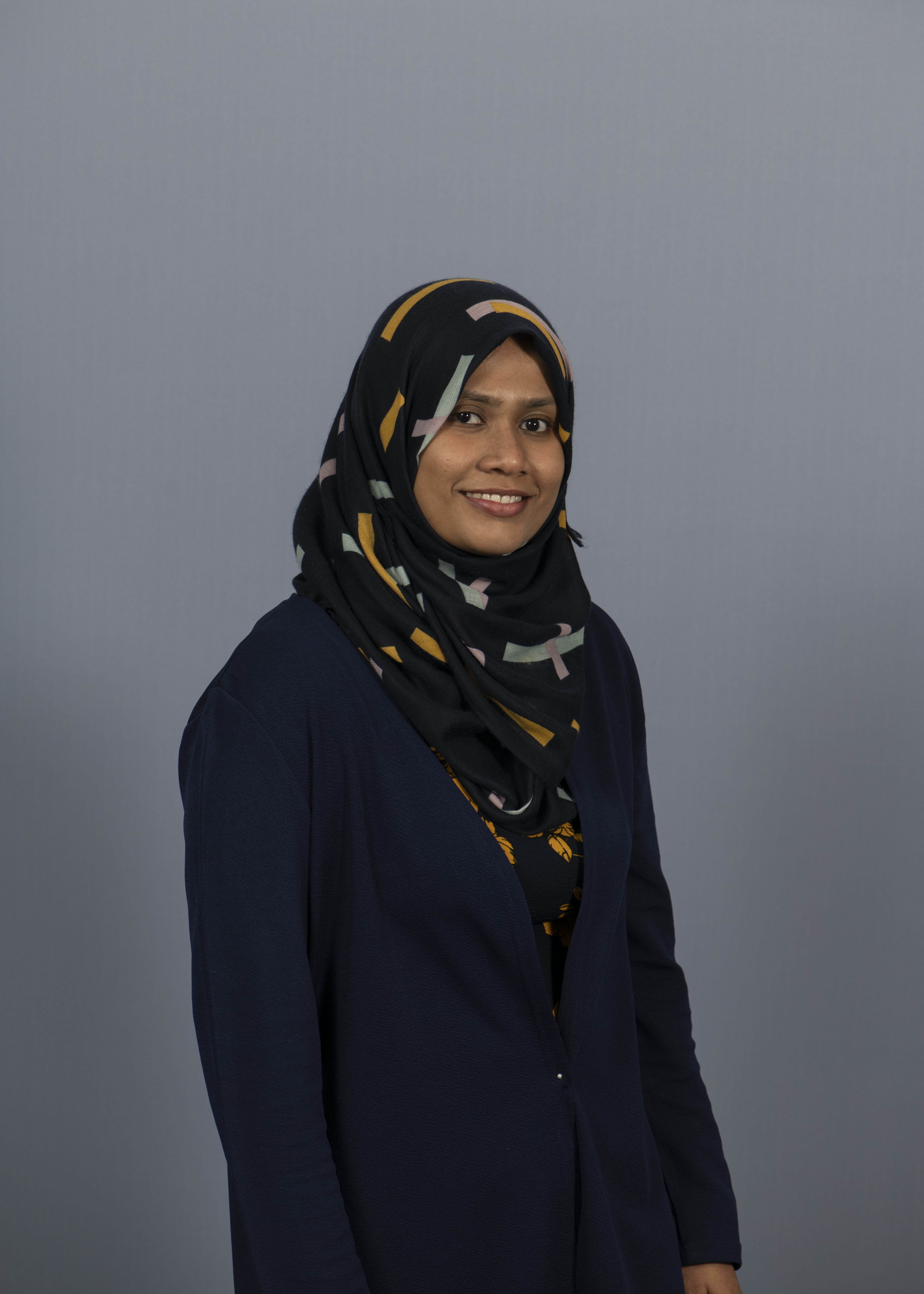
Ms. Aslam is an early career Research Fellow at the Food & Mood Centre, Deakin University, Australia, and a Registered Nutritionist (RNutr) specialising in diet, mental health, and metabolic health. Her research spans epidemiology, clinical trials, and dietary therapy development. She holds a PhD from Deakin University, co-led an industry-funded clinical trial, and holds a patent for a novel prebiotic formulation. As a Dean's Postdoctoral Fellow, she developed a sustainable, gut-targeted dietary supplement, and evaluated it in a Phase 1 clinical trial. Hajara is driven by a commitment to translating scientific innovation into sustainable strategies that improve mental and metabolic health, strengthen disease prevention, and support public health.
By pushing the boundaries, women scientists lead the way to breakthrough innovations.
Dr. Oelfah Patel
South Africa
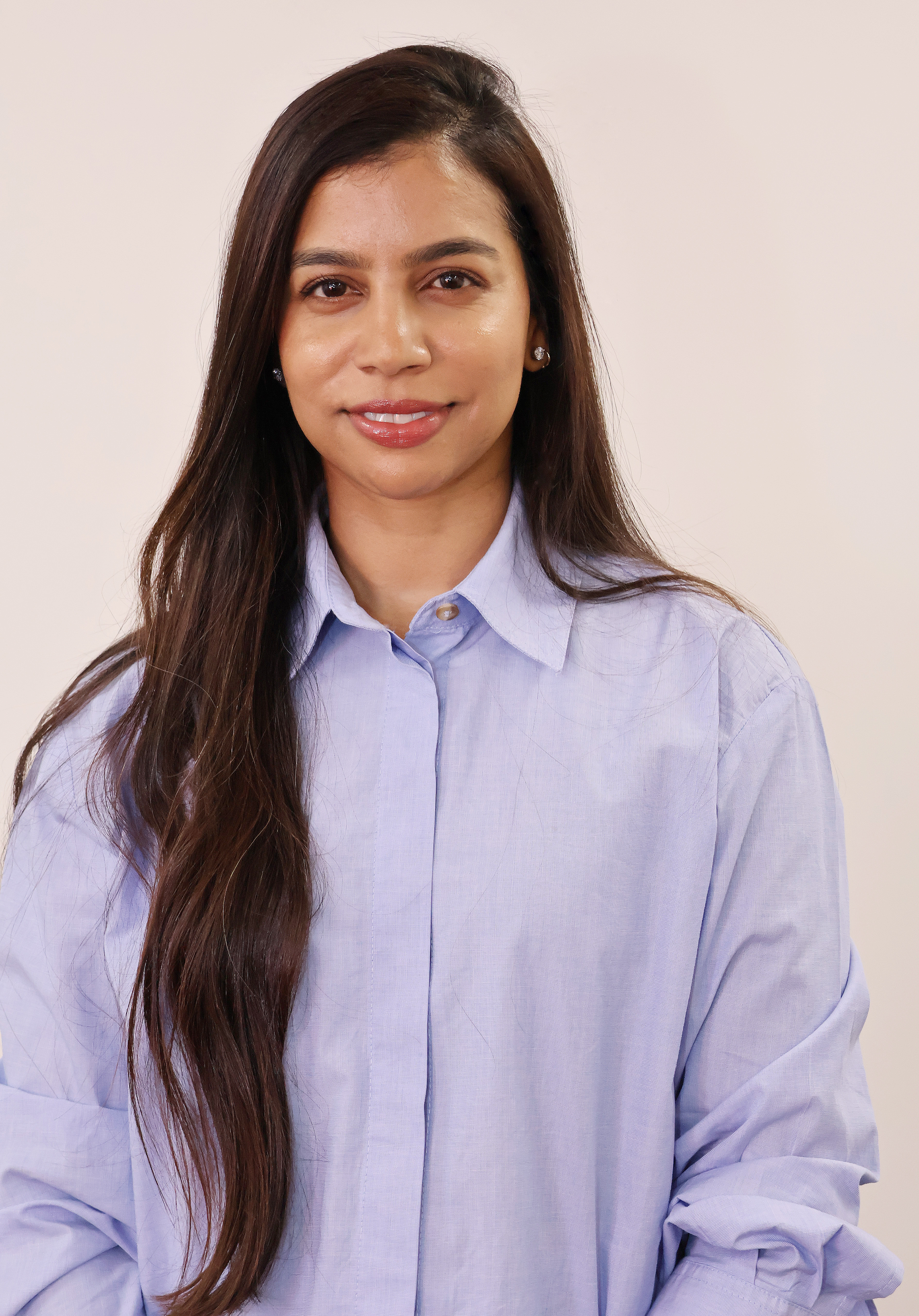
Ms. Patel is a Project Manager in the Grants, Innovation and Product Development Unit at the South African Medical Research Council. Her work focuses on supporting the management of health innovation projects, intellectual property, and technology transfer initiatives. With a PhD in Pharmacology from Stellenbosch University and ongoing training in IP management, she collaborates closely with researchers, institutional partners, and funders to help guide early-stage health research through grant processes and toward practical, real-world application.
Approach every project with humility, rigor, and a shared commitment to improving public health.
Dr. Fatimah Abdulhakim
Saudi Arabia
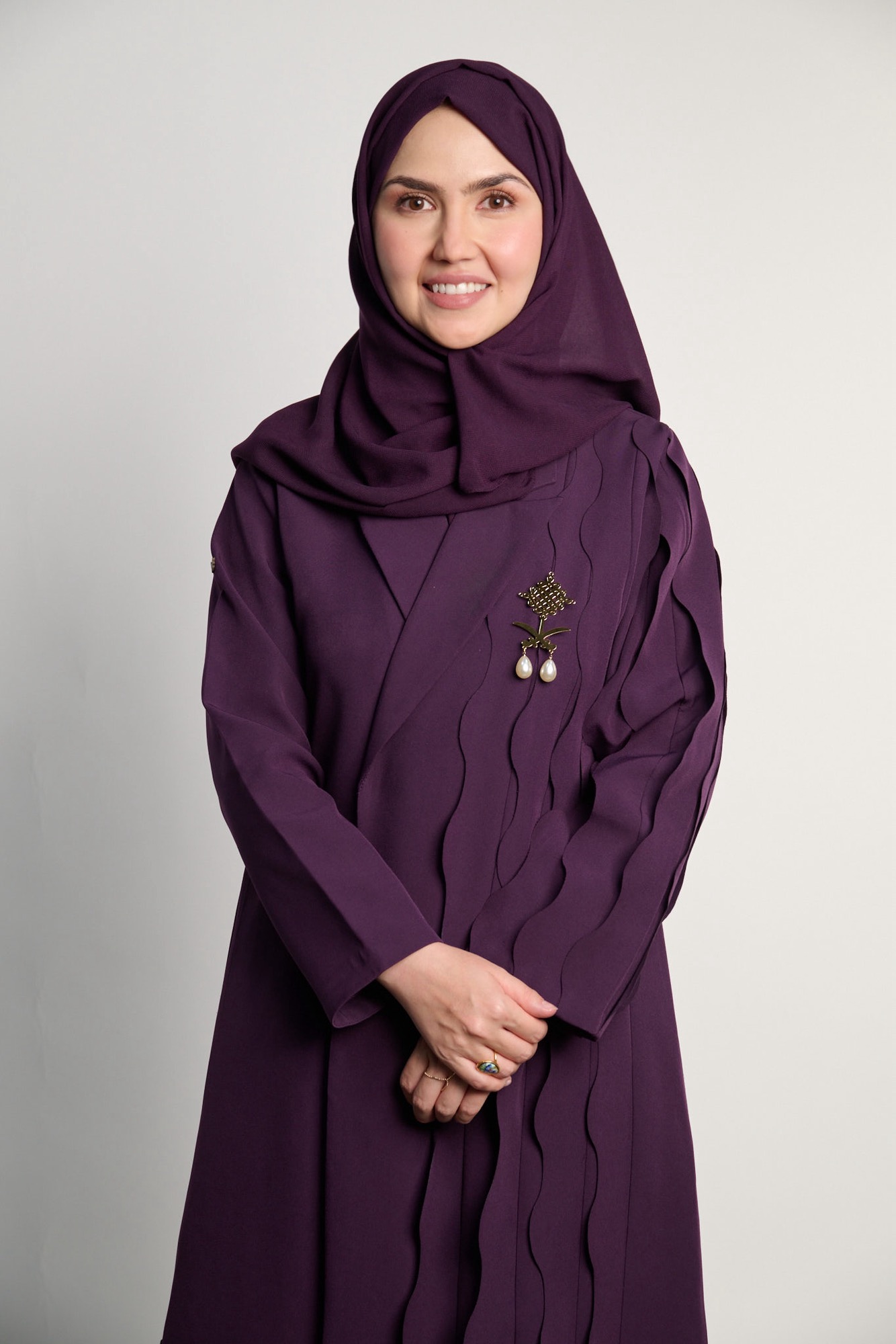
Ms. Abdulhakim is a Saudi plant scientist specializing in plant immunity, stress responses, and plant biotechnology. She currently leads one of Saudi Arabia’s largest plant tissue culture laboratories at the National Seed Production Company (NSPC), overseeing the large-scale production of disease-free potato plantlets for seed potato production and contributing to local seed production and sustainable agriculture in the Kingdom. Her work bridges scientific research with practical agricultural innovation. She was recognized as a 2025 L’Oréal–UNESCO For Women in Science Middle East Young Talent for her contributions to plant science and agriculture.
Science becomes truly meaningful when discovery moves beyond the laboratory and grows into solutions that strengthen our communities and shape a more sustainable future.
Dr. Ohood Al-Ghadani
Oman
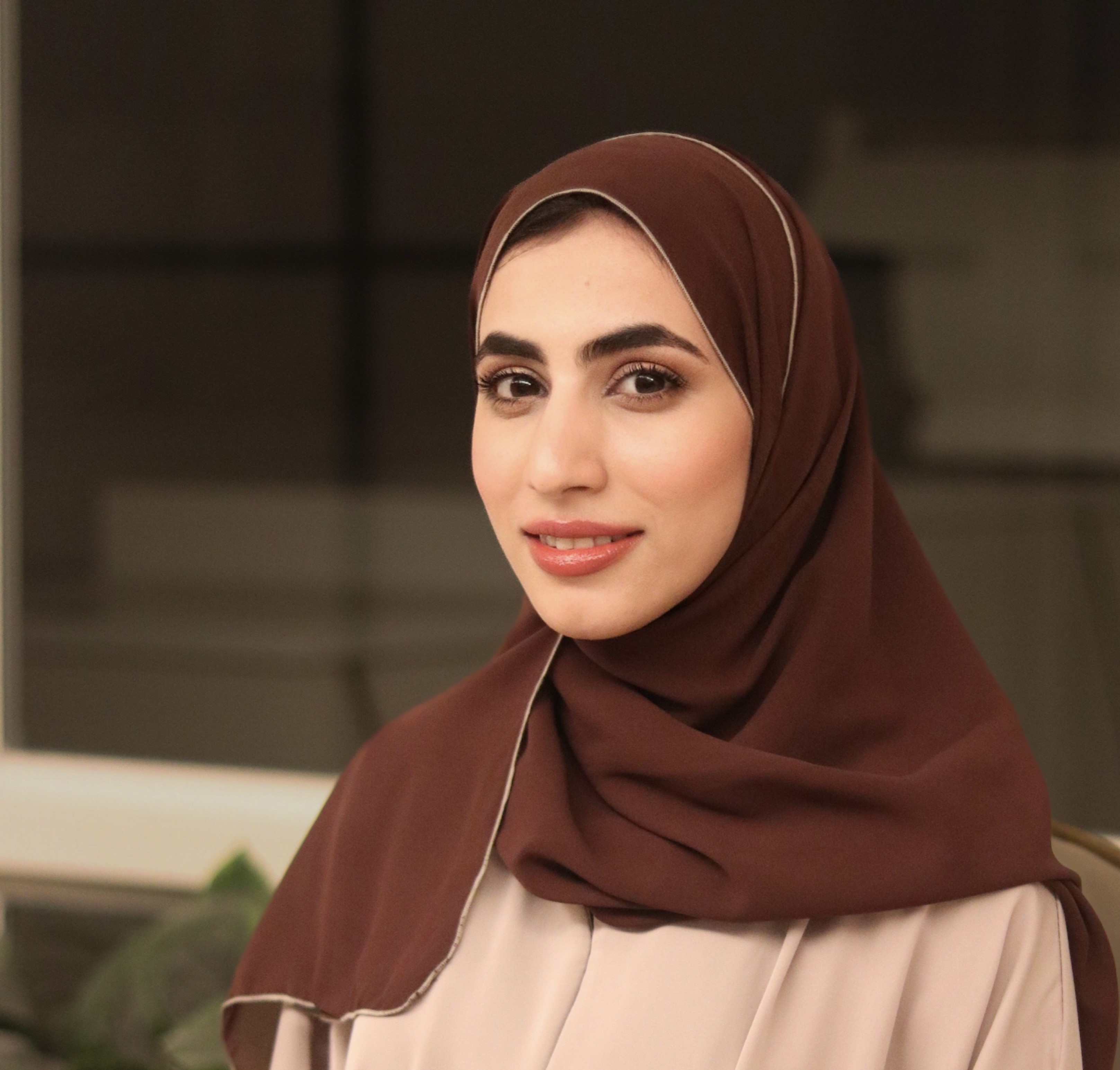
Ms. Al-Ghadani is pursuing a PhD in Environmental Engineering at the Royal Melbourne Institute of Technology in Australia. She holds a bachelor’s and master’s degree in Agricultural Engineering from Sultan Qaboos University, Oman. Her research focused on sustainable agriculture, food preservation, packaging, and postharvest technologies. She received the 2025 L’Oréal-UNESCO For Women in Science Award and has also earned recognition for her academic excellence. Beyond her academic work, she served as head of the Agricultural and Marine Science Society at Sultan Qaboos University, reflecting her commitment to strengthening women’s presence in leadership positions within science and academia.
To all women chasing a dream: you do not have to be fearless or have everything figured out. You deserve support, space to grow, and the chance to discover how far your dream can take you.
Dr. Deliana Dahnum
Indonesia
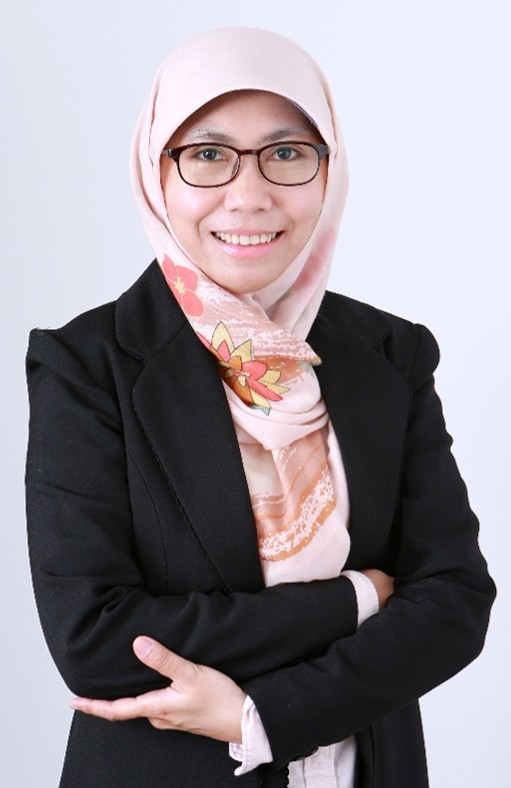
Ms. Dahnum is a researcher at the Research Center for Molecular Chemistry, National Research and Innovation Agency (BRIN), Indonesia. Her research focuses on the development of advanced functional materials for sustainable energy, with particular emphasis on Metal–Organic Frameworks (MOFs) and their applications in biofuel production. Her work explores the design, synthesis, and development of innovative porous materials and catalysts for the conversion of renewable and waste-based oils into high-value hydrocarbon biofuels. Her commitment to scientific innovation and sustainable research earned her the L’Oréal–UNESCO For Women in Science Award, Indonesia, in 2024.
Science becomes real for people when it transforms knowledge into health.
Dr. Markéta Hujerová
Czech Republic

Ms. Hujerová (née Klicova) is an award-winning nanotechnologist, researcher at the Technical University of Liberec, and founder and CEO of Nanoflexion, a medtech spin-off. Her work focuses on developing nanofibrous biomaterials to improve healing after gastrointestinal surgery and translating them into clinical practice. Her international research experience includes Harvard Medical School, Institut Pasteur, and the University of Cambridge. Recognized by L’Oréal-UNESCO For Women in Science Program and Forbes 30 Under 30, she connects science, innovation, and entrepreneurship to help promising discoveries become solutions that improve patients’ lives.
I believe science creates its greatest impact when a discovery leaves the laboratory and becomes a solution that improves patients’ lives.
Dr. Megaptche Christelle Arielle Mbouteu
Cameroon
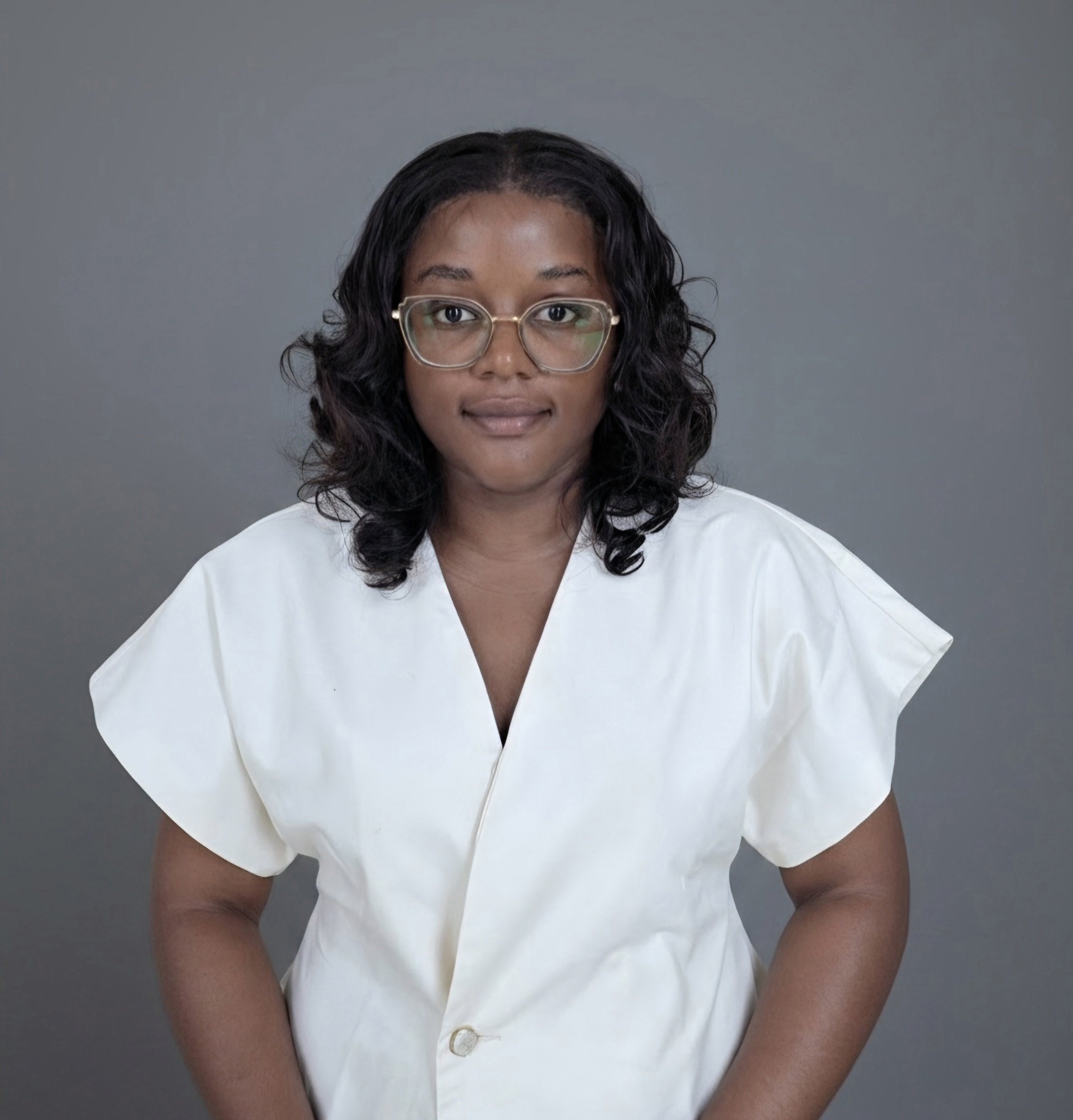
Ms. Mbouteu is a postdoctoral researcher at the Korea Institute of Energy Research (KIER), having completed her PhD in Physics (Energy Engineering) at the University of Nairobi as an RSIF-PASET Scholar. She designs hybrid renewable energy systems for African energy access and has introduced original evaluation methods, including new metrics for hydrogen-supply reliability and cost, now used to assess sector-coupled systems. A first author of various papers in leading energy journals, she works to turn novel modeling tools into bankable, policy-ready clean-energy solutions across Sub-Saharan Africa.
Innovation in science isn't only discovery. It's building the tools that let good ideas reach the people who need them.
Keneuoe Cecilia Nthontho
Lesotho
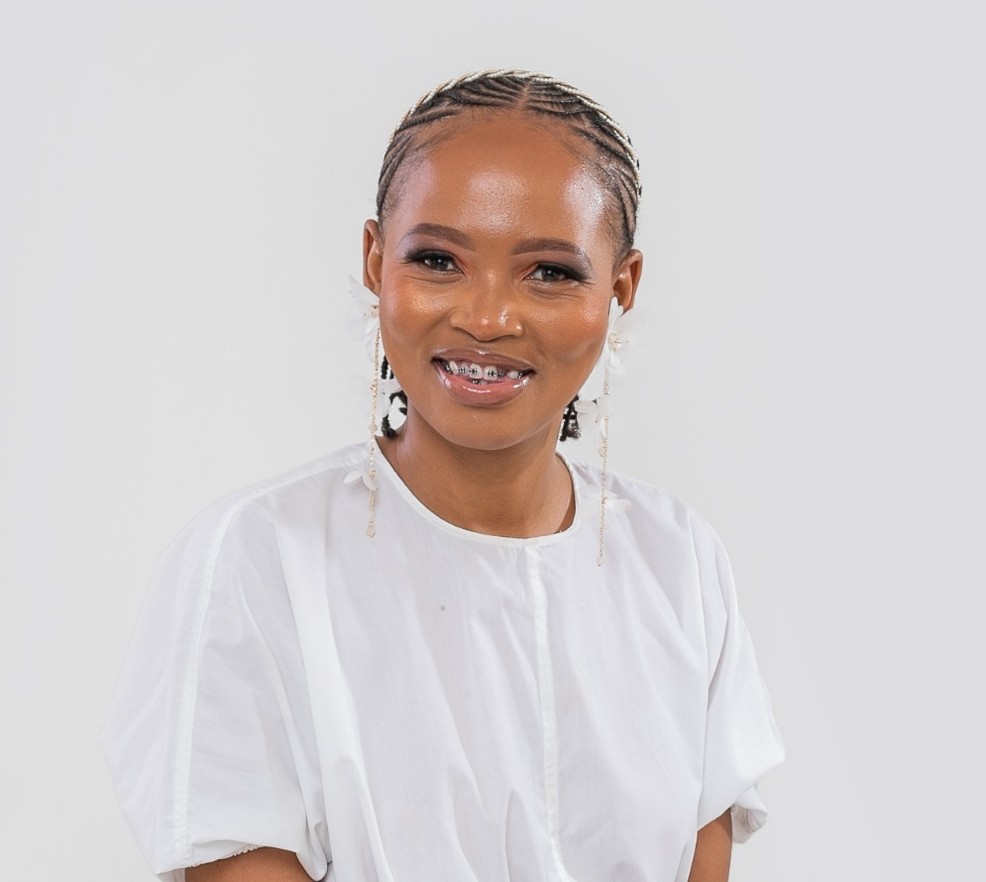
Ms. Nthontho is a PhD student at the University of Botswana, pursuing her research on breast cancer pharmacogenetics. Her research interest lies in exploring the genetic makeup of African patients and how anticancer drugs are metabolized by the body according to different inherited variants. Her curiosity was fuelled by how genetically diverse African populations are, yet there is heavy reliance on medications that were clinically tried and tested on non-African populations. Her goal is to potentially develop and validate a clinical-genetic model for clinicians before treatment administration.
From genes to better cancer treatment, no population left behind in precision oncology.
Rongrong Cheacharoen
Thailand
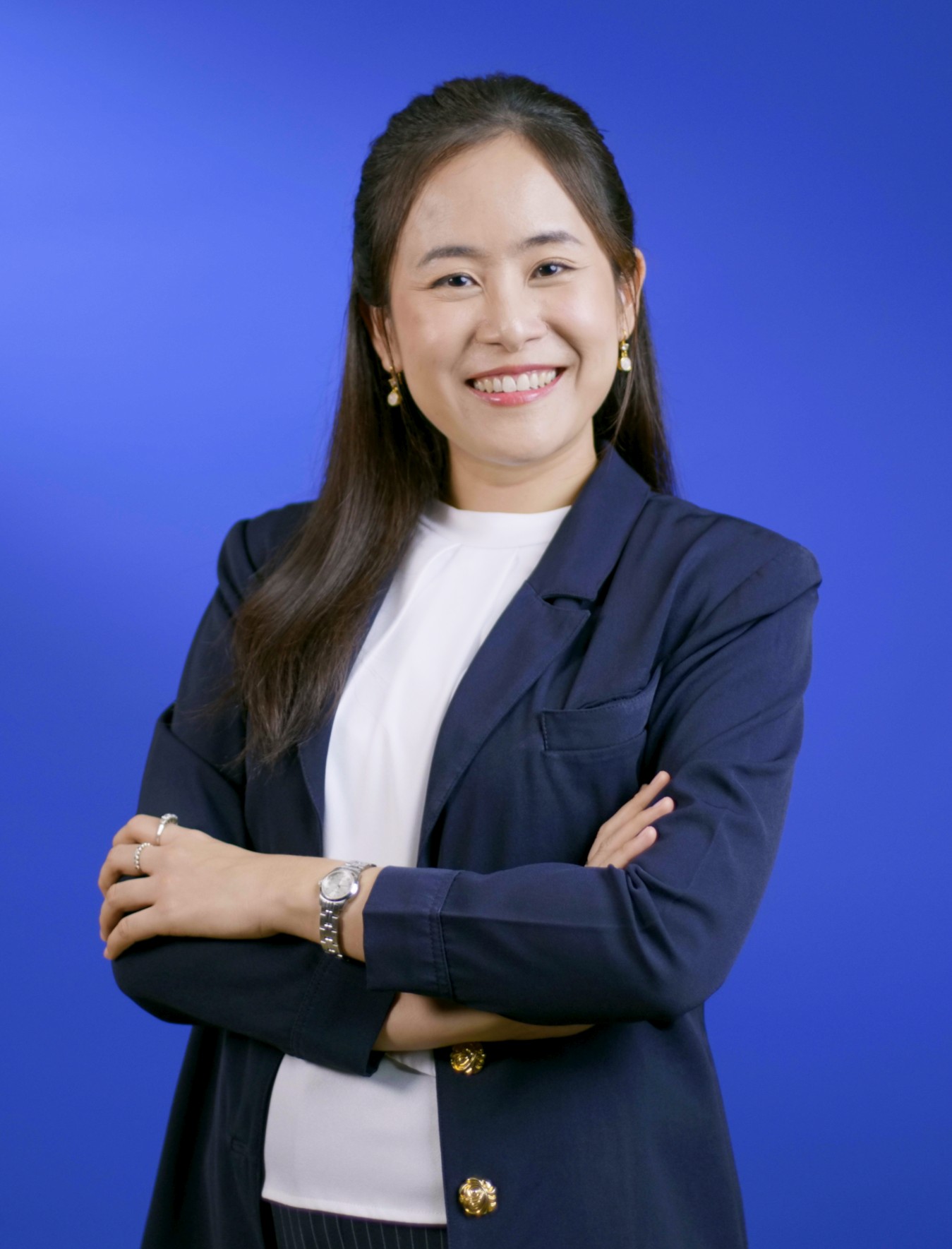
Ms. Rongrong is a Researcher and Research Group Leader of the Renewable-Rechargeable-Reliability Laboratory at Chulalongkorn University's Metallurgy and Materials Science Research Institute. She pioneered perovskite solar cell encapsulation during her Ph.D. at Stanford University. She now pushes that commitment to durability further in her home country by engineering locally abundant, sustainable materials into perovskite solar cells for hot climates and non-lithium batteries for safe operation, advancing energy access and independence for all. She collaborates internationally, actively supports fellow women in STEM, and trains the next generation of young researchers.
Do your best, embrace surprises, never forget your purpose.
Juliet AMK Seglah
Ghana

Ms. Seglah is a fish geneticist applying genomic tools to address biodiversity loss and sustainable resource management in West Africa. Her research tackles threats like IUU fishing and climate change. By bridging science and policy, she contributes to safeguarding food security and supporting local livelihoods. Beyond research, Juliet is a passionate advocate for gender equality in STEM, organising outreach activities for women and girls in science and mentoring young girls. She also engages communities through marine biodiversity education and demonstrating her commitment to using science for societal benefit.
Science is about employing new innovations to improve our world; it's not simply about what we know or see. I find it most fulfilling to share this journey with other women in various scientific fields since it makes the experience feel far more complete.
Latoya Seoke
Tanzania
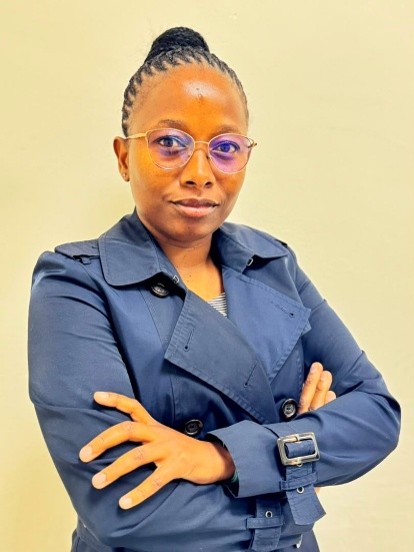
Ms. Seoke is a virologist and Senior Research Scientist at the Botswana Vaccine Institute (BVI) where she leads vaccine research and development programs targeting veterinary pathogens, including foot-and-mouth disease, lumpy skin disease, and other emerging priorities. She also drives the development of research governance systems that strengthen the quality, oversight, and management of research and innovation activities at BVI. Through her work with WOAH and Africa CDC, she contributes to international scientific standards and technical guidance, with a focus on animal health, biosafety, and biosecurity.
When women have the opportunity to sit at the table, it makes the table even better.