Specialized Training Program on Intellectual Property For Diplomats and Trade Officials
WIPO training for diplomats and trade officials covering IP fundamentals, treaties, national policy, international negotiations, development and emerging issues such as AI and technology transfer.
IPDTOEKZ26
IPDTOEJO26
The Specialized Training Program on Intellectual Property for Diplomats and Trade Officials equips diplomats and trade officials with practical knowledge of IP in the context of international diplomacy, trade and development.
The program uses a blended approach combining an online Specialized Course on IP with a national IP Masterclass. Training is designed in consultation with national diplomatic training institutions and may be customized to national priorities. The online course covers IP fundamentals, WIPO-administered treaties, copyright and related rights, industrial property, enforcement and emerging IP issues, including AI, climate change, technology transfer, traditional knowledge, TRIPS flexibilities and SDGs.
The program is intended for diplomats and trade officials at all levels, whether in service or in training, and other officials or functionaries of WIPO Member States working in diplomatic missions or other multilateral settings.
Participation is offered in consultation with national diplomatic training institutions. Member States interested in the program should contact the WIPO Academy at IPDTO.academy@wipo.int.
By completing the course, learners will be able to:
- Explain the fundamentals of intellectual property (IP) and the international IP architecture.
- Identify key WIPO-administered treaties and relate them to national settings.
- Describe copyright, related rights and major industrial property rights.
- Recognize IP enforcement issues and the legal, economic and social dimensions of IP.
- Connect IP with contemporary issues including artificial intelligence, climate change, technology transfer, traditional knowledge, TRIPS flexibilities and the Sustainable Development Goals (SDGs).
- Understand the utility of the international IP system as a tool for development and international diplomacy and trade.
Diplomats and trade officials at all levels, including officials in training, who represent or support their countries in diplomatic, trade, multilateral or international policy settings.
The program is particularly relevant to officials involved in international policy, multilateral discussions and negotiations related to IP, as well as national diplomatic training institutions and officials working on IP-related laws, policies and development priorities.
Participation is coordinated with national diplomatic training institutions. Interested WIPO Member States should contact IPDTO.academy@wipo.int for participation arrangements.
Free of charge

Online, self-paced Specialized Course covering the fundamentals of IP, WIPO-administered treaties, copyright and related rights, industrial property, enforcement and emerging IP issues. Topics include AI, climate change, technology transfer, traditional knowledge, TRIPS flexibilities and SDGs.

Introduces intellectual property, the international IP architecture, the social dimensions of IP and the relationship between IP and the 2030 Agenda for Sustainable Development Goals.
Learners will be able to define IP, identify major forms of IP and recognize relevant international treaties and agreements concerning protection and enforcement.
Introduces intellectual property, the international IP architecture, the social dimensions of IP and the relationship between IP and the 2030 Agenda for Sustainable Development Goals.
Learners will be able to define IP, identify major forms of IP and recognize relevant international treaties and agreements concerning protection and enforcement.
Module 1. Mandatory for Credential 1 and required before proceeding to Credentials 2, 3 and 4.
Introduces copyright, the reasons for protecting it, the scope of copyright protection, protected works and the rights provided to copyright owners.
Learners will understand the concept and coverage of copyright, the types of works protected and the principal rights granted to copyright owners.
Introduces copyright, the reasons for protecting it, the scope of copyright protection, protected works and the rights provided to copyright owners.
Learners will understand the concept and coverage of copyright, the types of works protected and the principal rights granted to copyright owners.
Module 2. Forms part of Credential 2 and is completed with Module 3 and the recommended learning materials.
Covers related rights, the rights of beneficiaries of related rights and exceptions concerning educational and library use of copyright works.
Learners will understand related rights, the rights of beneficiaries and selected limitations and exceptions applicable to copyright use.
Covers related rights, the rights of beneficiaries of related rights and exceptions concerning educational and library use of copyright works.
Learners will understand related rights, the rights of beneficiaries and selected limitations and exceptions applicable to copyright use.
Module 3. Completes the learning content for Credential 2 together with Module 2 and the recommended reading materials.
Introduces trademarks, trademark registration and domain names as key elements of industrial property protection.
Learners will understand the fundamentals of trademark protection, registration and the relationship between trademarks and domain names.
Introduces trademarks, trademark registration and domain names as key elements of industrial property protection.
Learners will understand the fundamentals of trademark protection, registration and the relationship between trademarks and domain names.
Module 4. Forms part of Credential 3 and contributes to the industrial property learning sequence.
Examines the protection of geographical indications and their role within the industrial property system.
Learners will understand the purpose and main features of geographical indication protection.
Examines the protection of geographical indications and their role within the industrial property system.
Learners will understand the purpose and main features of geographical indication protection.
Module 5. Forms part of Credential 3 and covers geographical indications within the industrial property framework.
Covers the protection of industrial designs and related treaty discussions, including the scope and subject matter of design protection.
Learners will understand the fundamentals of industrial design protection and relevant international treaty considerations.
Covers the protection of industrial designs and related treaty discussions, including the scope and subject matter of design protection.
Learners will understand the fundamentals of industrial design protection and relevant international treaty considerations.
Module 6. Forms part of Credential 3 and introduces international considerations related to industrial design protection.
Introduces the fundamentals and scope of patent rights, including the subject matter and protection associated with patents.
Learners will understand the basic principles, scope and main features of patent rights.
Introduces the fundamentals and scope of patent rights, including the subject matter and protection associated with patents.
Learners will understand the basic principles, scope and main features of patent rights.
Module 7. Forms part of Credential 3 and addresses the fundamentals and scope of patent protection.
Introduces the protection of plant varieties and breeders’ rights as part of the industrial property framework.
Learners will recognize the purpose and principal features of protection for plant varieties and breeders’ rights.
Introduces the protection of plant varieties and breeders’ rights as part of the industrial property framework.
Learners will recognize the purpose and principal features of protection for plant varieties and breeders’ rights.
Module 8. Completes the industrial property learning sequence for Credential 3.
Examines unfair competition and its relationship with IP, together with infringement and available enforcement measures.
Learners will understand how unfair competition relates to IP and recognize key approaches to IP infringement and enforcement.
Examines unfair competition and its relationship with IP, together with infringement and available enforcement measures.
Learners will understand how unfair competition relates to IP and recognize key approaches to IP infringement and enforcement.
Module 9. Forms part of Credential 4 and introduces enforcement-related and emerging IP considerations.
Explores IP issues related to biotechnology, traditional knowledge and genetic resources, highlighting their relevance to contemporary IP policy.
Learners will recognize key IP considerations arising from biotechnology, traditional knowledge and genetic resources.
Explores IP issues related to biotechnology, traditional knowledge and genetic resources, highlighting their relevance to contemporary IP policy.
Learners will recognize key IP considerations arising from biotechnology, traditional knowledge and genetic resources.
Module 10. Forms part of Credential 4 and addresses selected contemporary IP policy issues.
Addresses contemporary IP issues including artificial intelligence, climate change and technology transfer, placing them in the wider international IP context.
Learners will understand selected contemporary global IP issues and their implications for policy, development and international engagement.
Addresses contemporary IP issues including artificial intelligence, climate change and technology transfer, placing them in the wider international IP context.
Learners will understand selected contemporary global IP issues and their implications for policy, development and international engagement.
Module 11. Completes Credential 4 with Modules 9 and 10. Completion of Credentials 1, 2 and 3 is recommended before this credential.
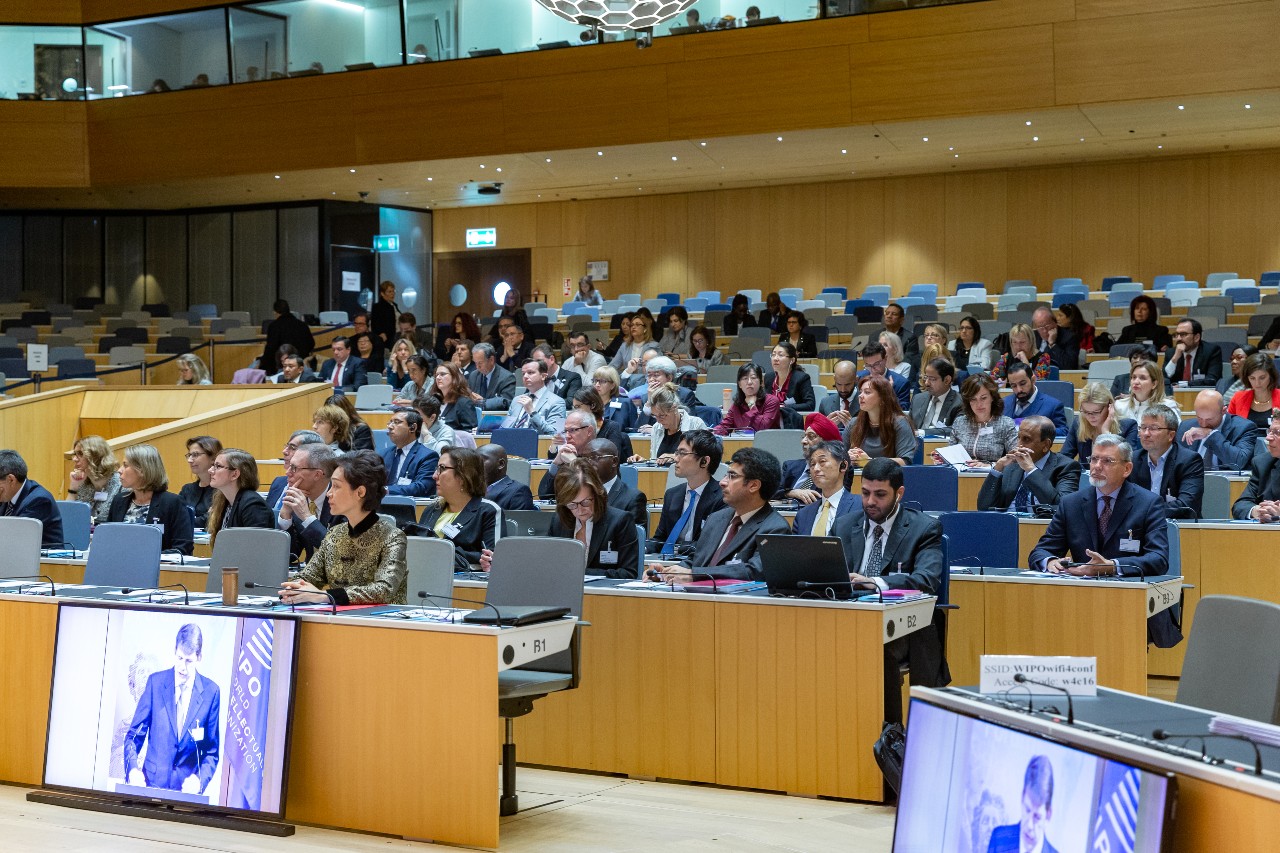
In-person national training linking IP development with national challenges and priorities, including national laws and policies, expert perspectives, group discussions and practical activities.
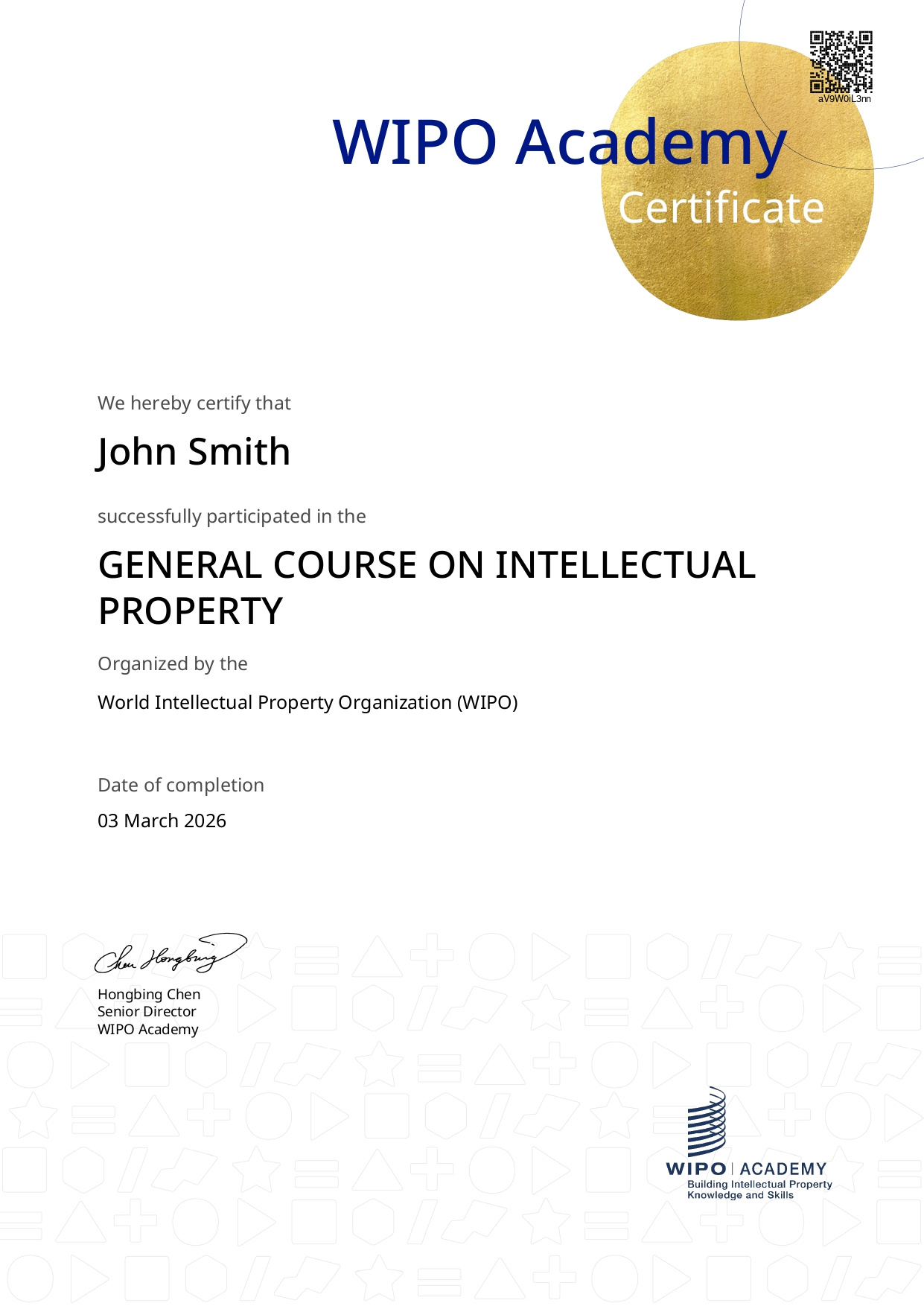
Self-assessment exercises and multiple-choice assessments are included. For each credential, learners must complete the required modules and accompanying or recommended materials and achieve a minimum score of 50%.
The online Specialized Course consists of four successively achievable credentials. Completion of all four credentials leads to an overall Certificate of Completion.
